
-
ArchLab workshop!
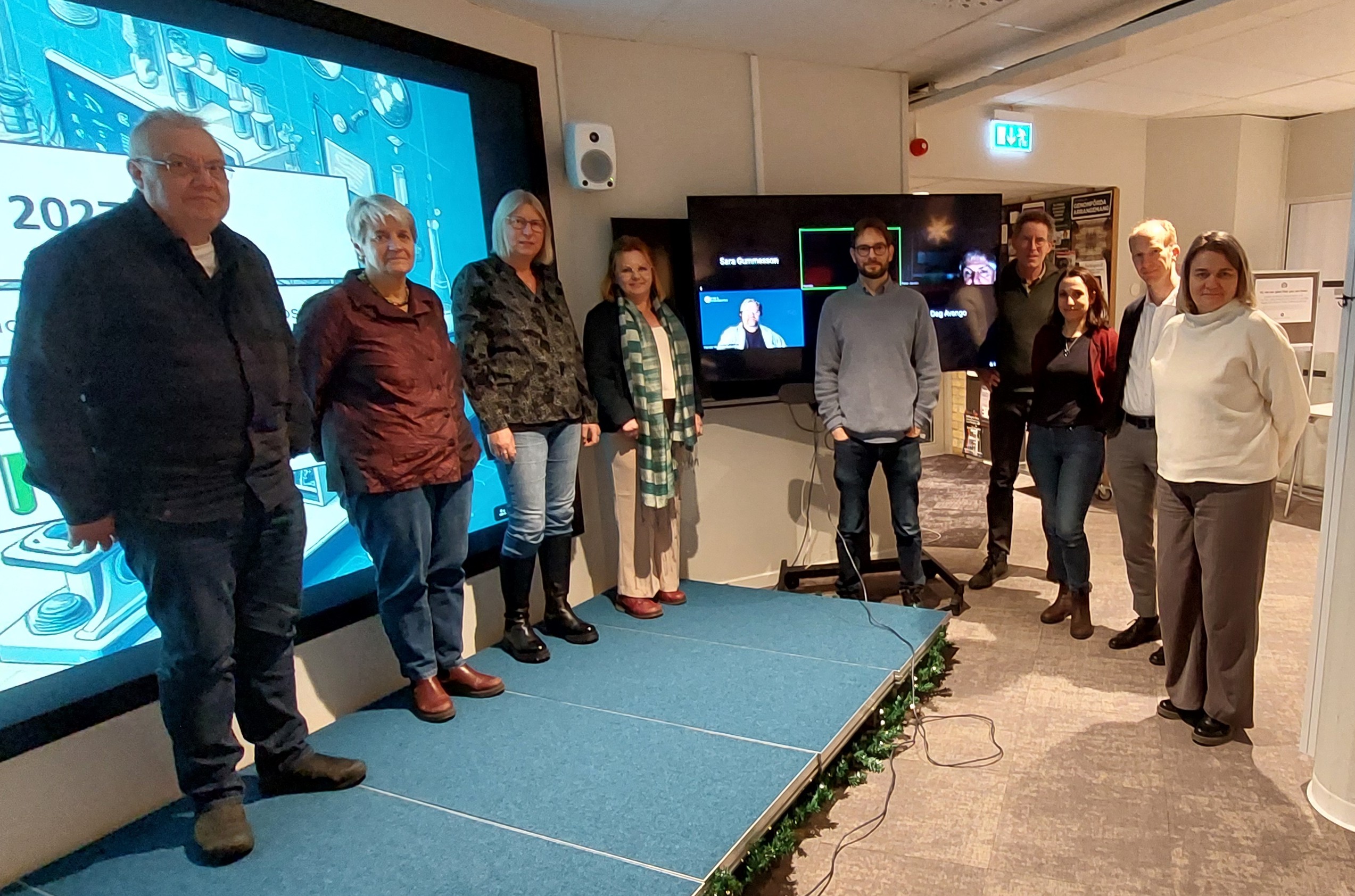
2024-12-11. First ArchLab workshop in Umeå! The ArchLab laboratory directors and members of the steering group met in Umeå to plan the future direction and upcoming VR application for our infrastructure. The workshop was hosted by ArchLab director Phil Buckland: ”It was a good opportunity to meet as a Team and work on our common…
-
Launch of NEPal – Nothern European Palynology Database – The Open Plattform for Automated Pollen Analysis
6th May 2024 Launch of NEPal – Nothern European Palynology Database – The Open Plattform for Automated Pollen Analysis (https://notherneuropeanpalynology.github.io/) –to develop a database for machine learning and automated systems in palynology- a collaboration between UAG, SLU, Lund University, Gothenburg University and Basel University
-
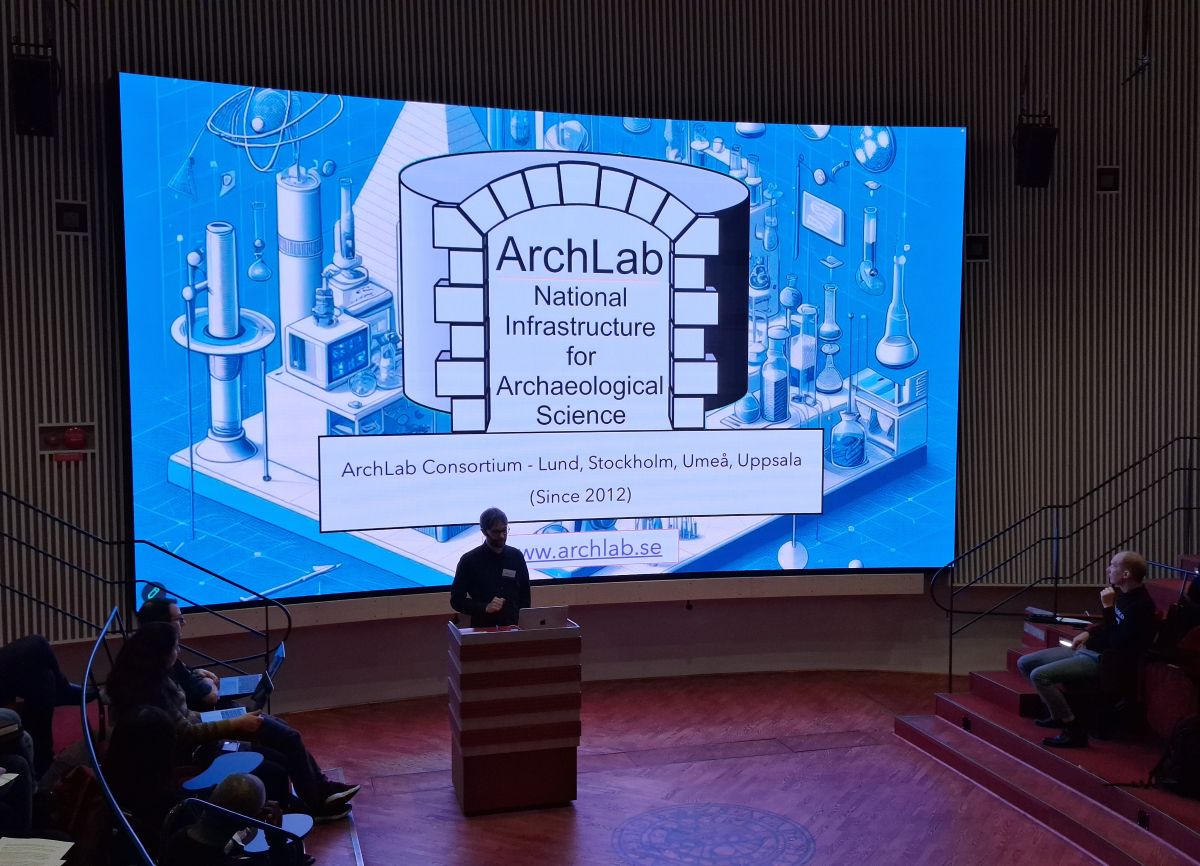
ArchLab at the Ancient DNA symposium in Uppsala
29 November 2024. Phil Buckland introduces the new infrastructure ArchLab at the Ancient DNA symposium i Uppsala. The symposium was organized by the Centre for Palaeogenetics at Stockholm University and Swedish Museum of Natural History, in collaboration with SciLifeLab Ancient DNA unit and the National Genomics Infrastructure.
The multiproxy
Archaeological data tend to complement each other and can add more layers of knowledge for the interpretation of the past. The results from one method also add insights where preservation conditions for one type of data is lacking. For example, insects provide information about environments beyond that which pollen from wind-pollinated plants can provide. Vice versa plant macrofossils provide information about the use of plants where the presence of pollen is limited. By the addition of multiple layers of archaeological information, the modelled past offers a wider view of the past and paints a picture with more detail.
If you want to use multiproxy analysis for your project or need support you can contact us. Our experts can discuss and advise on the most appropriate sampling strategies and analysis combinations for all projects. Contact us here.
